


Dental crowns are a modern and popular dental cosmetic method nowadays. Dental crowns help you fix flaws in tooth shape, color and function. However, to maintain durability and aesthetics, you need proper oral hygiene after getting dental crowns. This article will guide you on how to care for and maintain oral hygiene after dental crowns to increase tooth longevity.
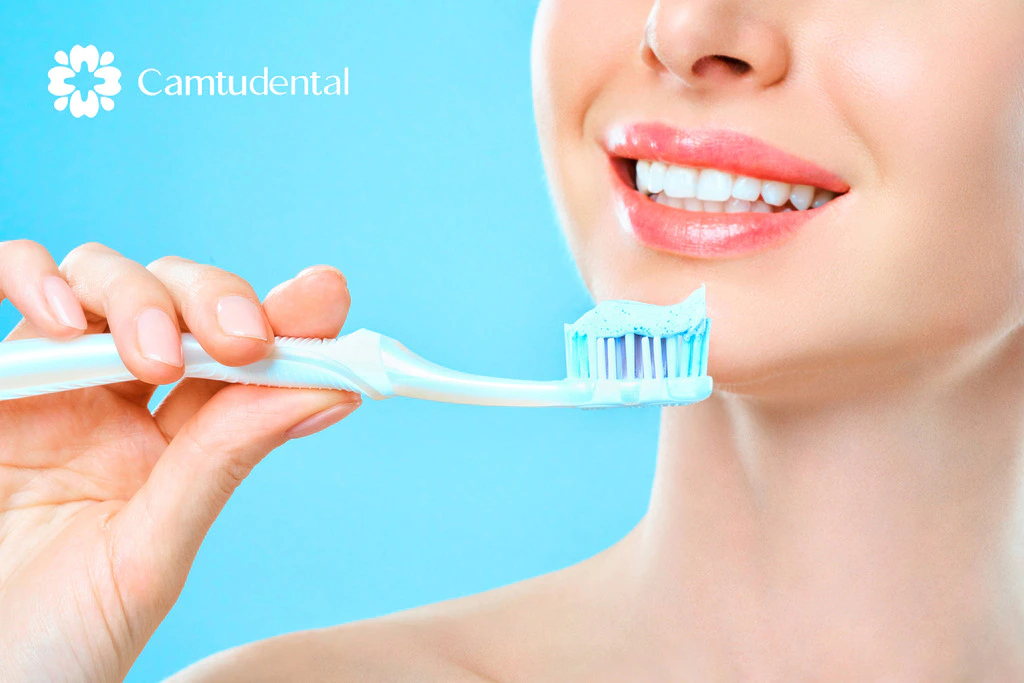
Oral hygiene after dental crowns to increase tooth longevity
Why is oral hygiene important after dental crowns?
Porcelain is an inert material, unaffected by mouth acids and bacteria. However, dental crowns still require regular cleaning to prevent:
- Gum inflammation: Without proper oral hygiene, plaque and food debris can accumulate around the gumline, causing inflammation. This can make gums red, swollen, bleeding and cause bad breath. If left untreated, gum inflammation can damage the jawbone and make dental crowns loose or fall out.
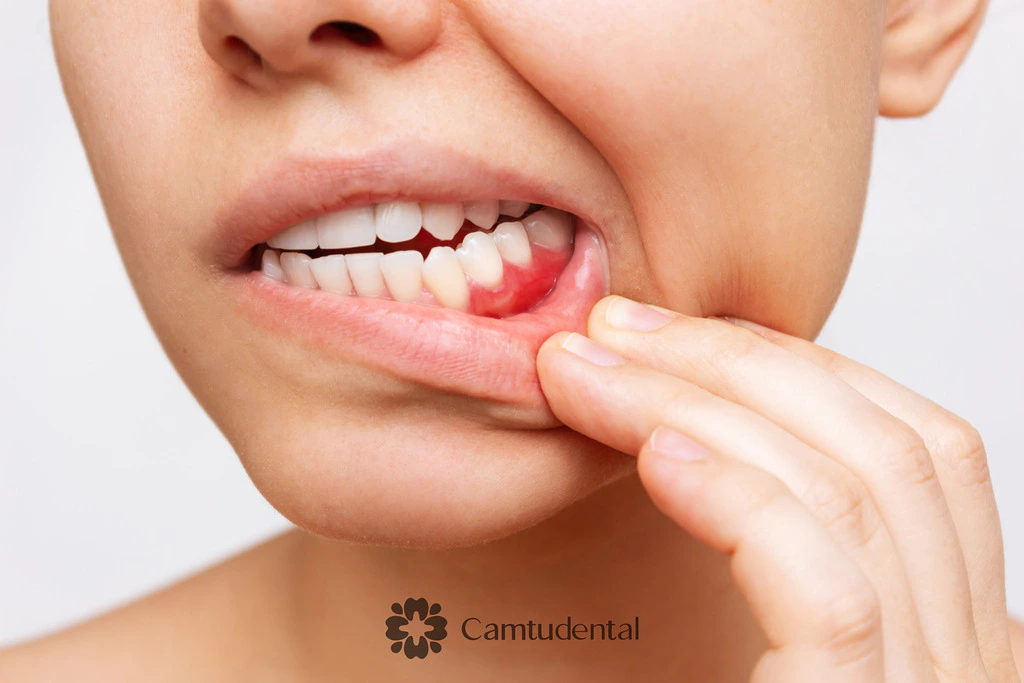
Infection of porcelain gums
- Tooth decay: Although dental crowns porcelain cannot decay, the natural tooth underneath can still be affected by decay-causing bacteria. Without proper cleaning, bacteria can get into crevices between the dental crowns and tooth and cause cavities. This can lead to toothache, pulpal inflammation and other dangerous health complications.
- Discoloration: Dental crowns have high stain resistance but not absolute. Consuming highly pigmented foods and drinks like tea, coffee, soda, tobacco, etc. over time can stain the dental crowns. Discoloration reduces aesthetics and impacts your confidence.
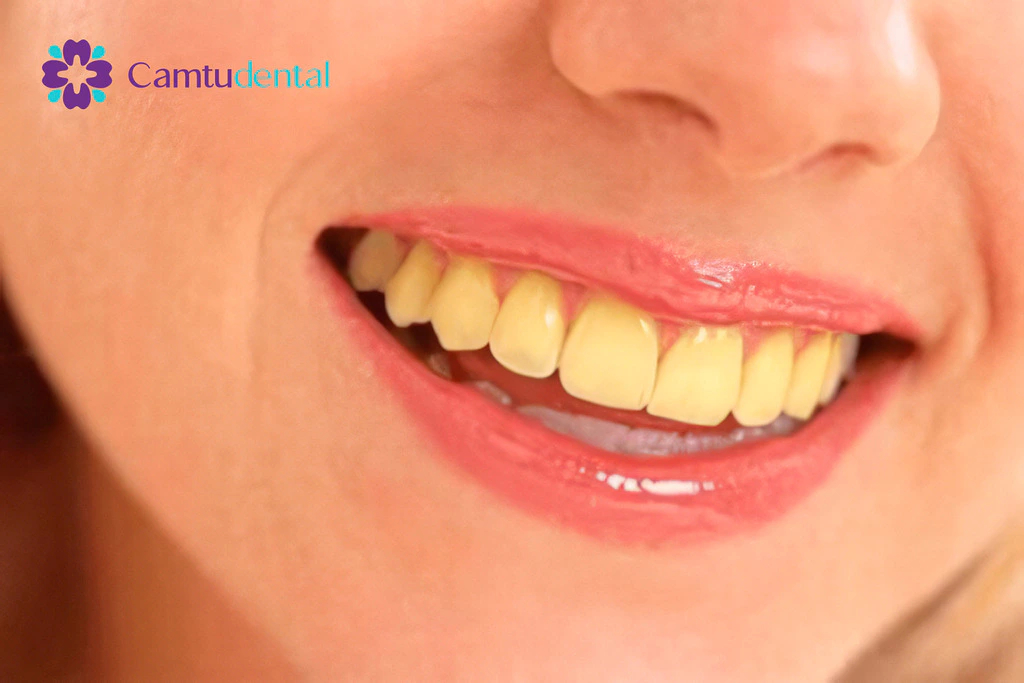
If not protected, porcelain teeth can become yellow
Oral hygiene care after dental crowns
To properly clean your mouth after dental crowns, pay attention to these tips:
Proper brushing
You should brush at least twice a day, in the morning and before bedtime at night. Choose a soft bristled toothbrush that is not too big to effectively clean between teeth. Brush teeth in the direction from gum to tooth, avoiding scrubbing harshly horizontally to prevent gum and dental crowns damage. Spend 2-3 minutes each time and replace your toothbrush every 3 months.
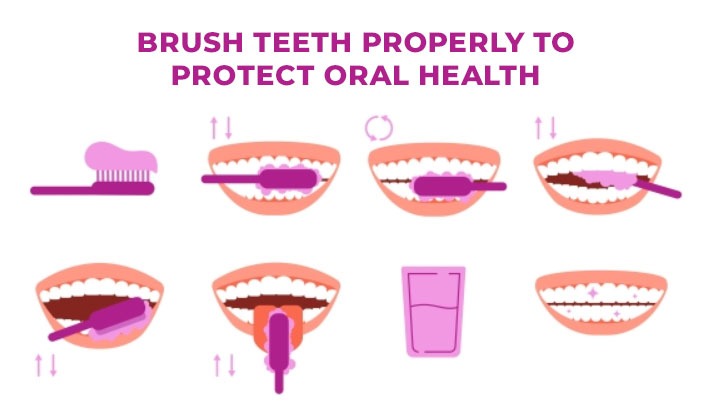
Brush teeth properly to protect oral health
Use toothpaste
Use fluoride toothpaste to strengthen enamel and prevent cavities. Avoid whitening or abrasive toothpastes as they can scratch dental crowns surfaces. Use an appropriate amount of toothpaste, not too much or too little.
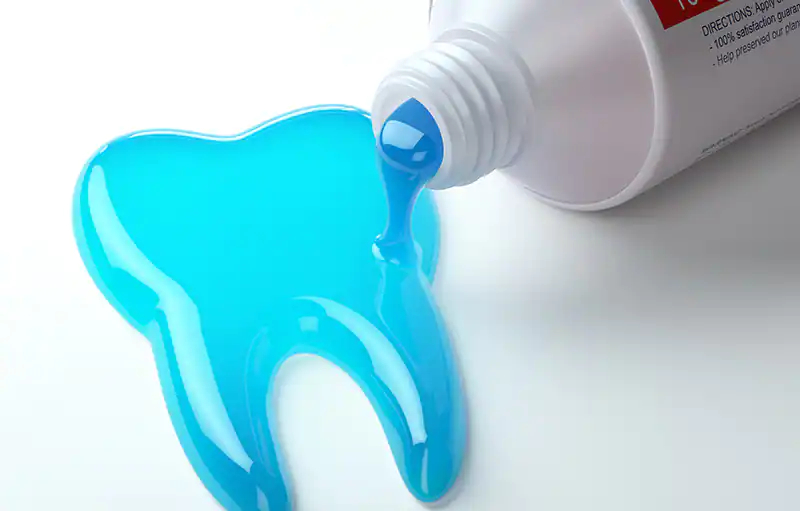
You should use toothpaste containing fluoride to protect tooth enamel
Use dental floss and mouthwash
Dental floss and mouthwash are useful oral hygiene supplements after dental crowns. Floss helps remove plaque and food debris in hard-to-brush areas between teeth. Mouthwash eliminates bad breath, kills bacteria and deeply cleans the mouth. Use dental floss and mouthwash after each brushing or eating.
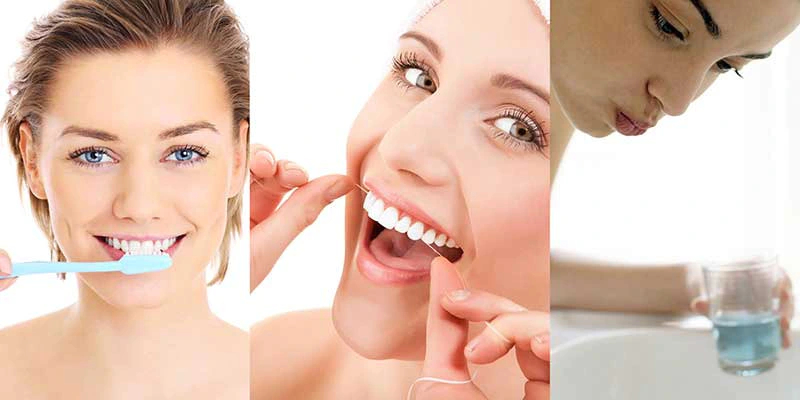
Proper oral hygiene increases the longevity of porcelain teeth
Massage gums
Gum massages stimulate blood circulation and improve gum disease prevention. Gently massage around gum lines for 5 minutes daily with your fingertips. You can also use gum massage gels for increased effectiveness.
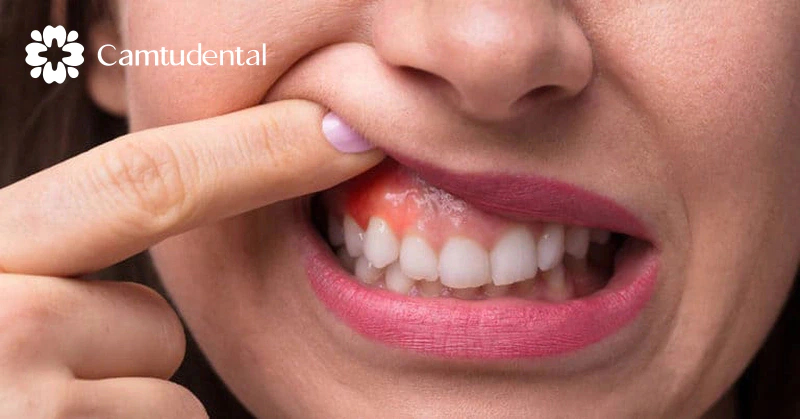
You can use your fingertips to gently massage around the gum line for about 5 minutes every day
Adjusting your diet after dental crowns
Besides oral hygiene, you also need to adjust your diet after dental crowns to protect them from negative impacts. Note these tips:
Eat gently
Avoid hard, chewy or bony foods like candy, nuts, chicken, fish, etc. after dental crowns as they can fracture, dislodge or loosen the dental crowns. Eat soft, easy to chew nutritious foods like porridge, broth, soup, fruits, etc. to help stabilize dental crowns and support wound healing.
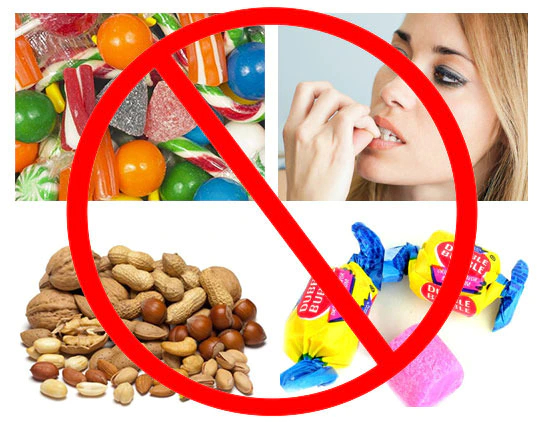
Avoid eating foods that are too hard or chewy
Avoid extreme hot or cold foods
Extreme temperatures can cause dental crowns to contract or expand, creating gaps between the crown and tooth. This can make dental crowns loose, fall out or allow bacteria to penetrate and decay the tooth. Consume foods at moderate temperatures and avoid sudden temperature changes in your mouth.
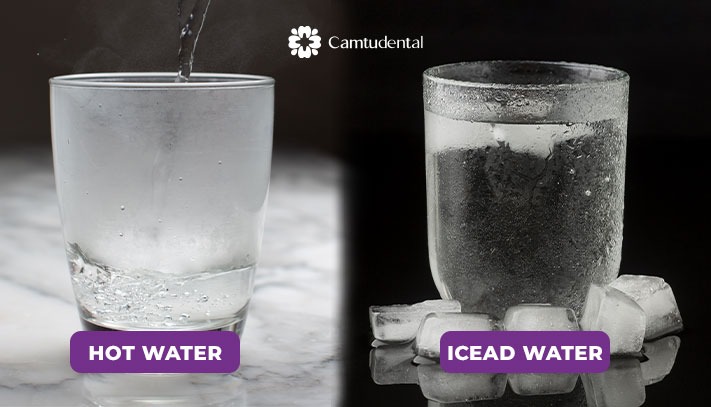
Temperatures that are too high or too low can cause porcelain teeth to shrink or expand (edit lại)
Avoid deeply colored foods and drinks
Beverages like tea, coffee, soda, red wine, tobacco, etc. can stain and discolor dental crowns. Limit consumption of these items or rinse your mouth thoroughly afterwards to maintain dental crowns cleanliness and aesthetics.
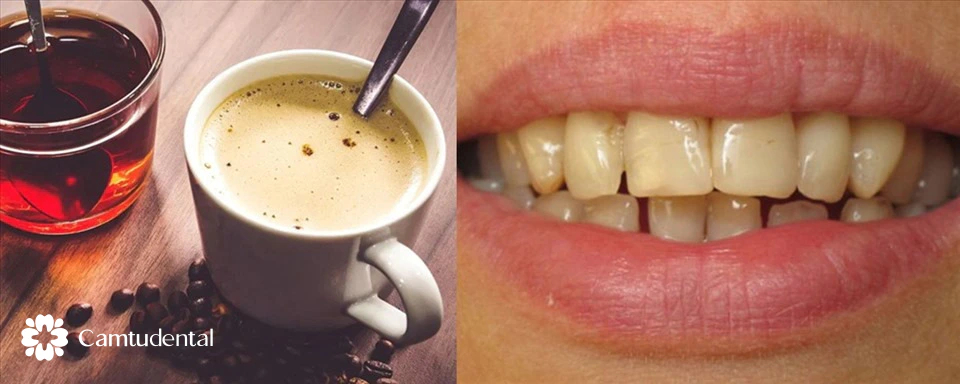
Foods and drinks with strong colors can easily stain porcelain teeth
Eat plenty of fruits and vegetables
Fruits and veggies provide vitamins, minerals and have teeth-cleaning and gum-stimulating effects. Consume plenty of fresh produce like apples, watermelons, carrots, celery, etc. to help keep dental crowns strong, healthy and bright.

You should eat lots of fruits and vegetables
Please try to follow the above instructions in properly caring for porcelain teeth. For long-term use and, above all, to protect real teeth inside. If you need more information about porcelain teeth, please contact Camtu Dental immediately to receive quick and dedicated advice and support.
In GCR's scale, Cam Tu achieved an absolute index of 5/5 in terms of facility quality, 97% success rate for cases requiring high technical requirements such as implants, porcelain teeth and root canal treatment - Tuoi Tre.